



large salamander specimen
Large salamander, scientific name: Siren lacertina, genus Blunt-mouthed salamander, alias: lizard salamander, swamp salamander. No hind limbs, short forelimbs, mucous glands on the body surface, body length up to 90cm, smooth skin without scales, yellowish brown to dark green, with dark stripes or spots. Freshwater wetlands in southeastern North America, including Florida, Georgia, Alabama and the Mississippi River Basin. It inhabits swamps, peat bogs, streams and rice fields, usually 0.5-1.5 meters deep, and depends on humus substrates. Stamp food aquatic insect larvae (mosquitoes, mayflies), crustaceans.

Giant Salamander Skull
The giant salamander (Andrias davidianus), also known as the fire lizard, has a total length of 12-15 centimeters, obvious grooves between its ribs, no lung structure, and relies entirely on its skin for gas exchange. It inhabits karst geological caves and lives in water, with high requirements for water quality. Feed on benthic cephalopods, annelids, and aquatic invertebrates. There are about 400 species of the largest amphibians in the world. They mostly inhabit freshwater and swamp areas, mainly in temperate regions of the Northern Hemisphere. It is a first-class protected animal in China. Salamanders mainly feed on insects, worms, snails, and some small animals.

Popular Models

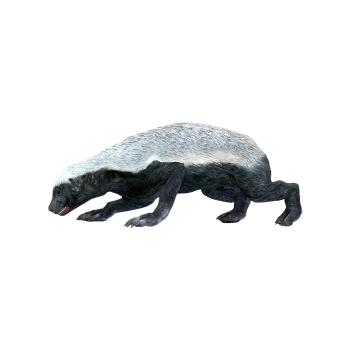
Honey Badger (3D animated model)
194 View
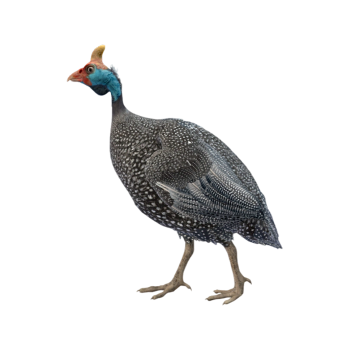
Guinea fowl (3D animated model)
165 View
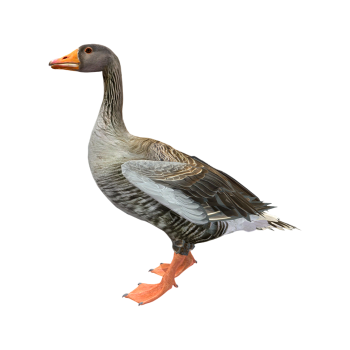
Wild Goose (3D animated model)
187 View
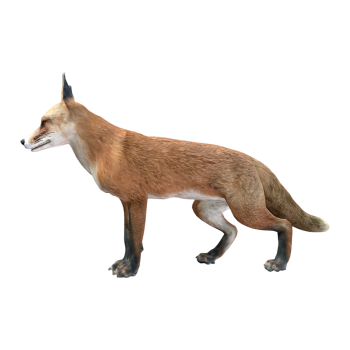
Red Fox (3D animated model)
155 View
Random Model


Milky White Bean Bag Lazy Sofa
957 View


Sparrow 3D Model Animation
1286 View


BMW Chiron
899 View



Elephant and Lion Statue
599 View